
 Home
Home
- News
-
All news
Latest news

Sep 12, 2025 /
iPhone 17 Series: Everything You Need to Know

Feb 21, 2025 /
The Future of Foldable Phones

Feb 17, 2025 /
iOS vs. Android: Which Operating System is Better in 2025?
Feb 17, 2025 /
OnePlus 13 Pro: What to Expect from OnePlus’s 2025 Flagship
-
- Reviews
-
All reviews
Latest reviews
Jan 16, 2020 /
iPhone XS Max review
Jan 16, 2020 /
Moto G7 Power review
Jan 16, 2020 /
Samsung Galaxy S10 Plus review
Jan 16, 2020 /
Samsung Galaxy S10 review
Jan 16, 2020 /
Google Pixel 3 review
Jan 16, 2020 /
Hands on: Samsung Galaxy Note 10 Lite review
-
Latest News

Latest Reviews
Popular devices
The Future of Smartphone Cameras: Periscope Zoom & AI-Powered Photography
Feb 17, 2025 Administrator News 354 hits
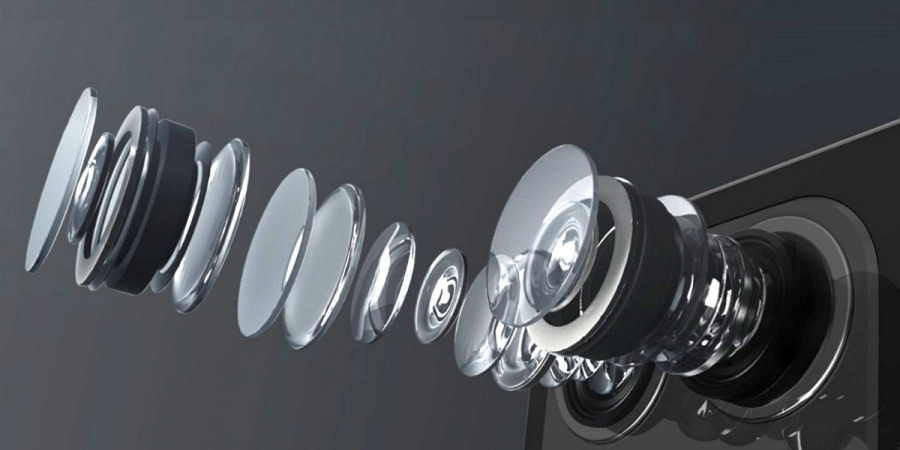
The smartphone camera has come a long way since the early
days of grainy, low-resolution images. Today, it’s a powerhouse of innovation,
blending cutting-edge hardware with intelligent software to deliver
professional-grade photography in the palm of your hand. As we look to the
future, two technologies stand out as game-changers: periscope zoom
lenses and AI-powered photography. These advancements are
redefining what smartphones can achieve, pushing the boundaries of creativity
and functionality.
The Rise of Periscope Zoom Technology
What is a Periscope Zoom Lens?
A periscope zoom lens is a revolutionary design that allows
smartphones to achieve high levels of optical zoom without increasing the
device’s thickness. Unlike traditional zoom lenses, which require more physical
space, periscope lenses use a prism or mirror system to bend light at a
90-degree angle, enabling a longer focal length within a compact form factor.
How Periscope Zoom Works
The periscope lens system works by redirecting light through
a series of lenses and mirrors, effectively "folding" the optical
path. This design allows for greater magnification without compromising the
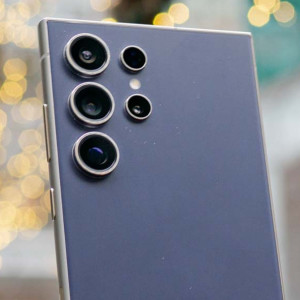
phone’s sleek profile. For example, the Samsung Galaxy S24 Ultra features
a 50MP periscope telephoto lens with 5x optical zoom, delivering sharp,
detailed images even at extreme distances.
Advantages of Periscope Zoom
- Enhanced
Zoom Capabilities: Periscope lenses enable optical zoom ranges of up
to 10x or more, rivaling traditional point-and-shoot cameras.
- Improved
Image Quality: By relying on optical rather than digital zoom,
periscope lenses maintain image clarity and detail, even at high
magnifications.
- Compact
Design: The folded optics system allows for powerful zoom capabilities
without adding bulk to the device.
Future Innovations in Periscope Zoom
Looking ahead, manufacturers are exploring ways to further
enhance periscope zoom technology. For instance, OPPO’s Find X8 Pro features
a dual periscope setup, offering both 3x and 6x optical zoom for unparalleled
versatility. Additionally, advancements in lens materials and stabilization
techniques are expected to improve low-light performance and reduce motion blur
during zoomed-in shots.
AI-Powered Photography: The Brain Behind the Lens
The Role of AI in Modern Smartphone Cameras
Artificial Intelligence (AI) has become the backbone of
smartphone photography, transforming how images are captured, processed, and
enhanced. From scene recognition to real-time editing, AI-powered features are
making it easier than ever to take stunning photos with minimal effort.
Key AI-Driven Features
- Scene
Recognition: AI algorithms analyze the scene in real-time, adjusting
settings like exposure, white balance, and focus to optimize image
quality. For example, the Google Pixel 9 Pro uses AI to
distinguish between different subjects, such as faces, landscapes, and
pets, ensuring each shot is perfectly tailored.
- Night
Mode: AI-powered night mode captures multiple exposures and combines
them into a single, noise-free image. This technology has revolutionized
low-light photography, allowing users to capture clear, detailed photos in
near-darkness.
- Portrait
Mode: By simulating depth-of-field effects, AI creates
professional-looking bokeh backgrounds, separating the subject from the
background with stunning precision.
- Real-Time
Editing: AI enables on-the-fly adjustments, such as color correction,
object removal, and dynamic range optimization, ensuring every photo looks
its best before it’s even saved.
The Future of AI in Photography
As AI continues to evolve, its role in smartphone
photography will only grow. Qualcomm’s Judd Heape predicts that AI will soon
handle the entire image capture process, from scene analysis to
post-processing, delivering results that rival professional DSLRs.
Additionally, advancements in machine learning will enable cameras to learn
user preferences, offering personalized shooting experiences tailored to
individual styles.
The Synergy of Periscope Zoom and AI
The combination of periscope zoom and AI-powered photography
is unlocking new possibilities for smartphone cameras. For instance, AI can
enhance zoomed-in images by reducing noise, improving sharpness, and
stabilizing shaky footage. The Vivo X200 Pro exemplifies this
synergy, using AI to optimize its 200MP periscope telephoto lens for stunning
zoom shots with lifelike detail.
Moreover, AI-driven computational photography can compensate
for the limitations of periscope lenses, such as reduced light intake at high
zoom levels. By intelligently merging multiple frames, AI ensures that
zoomed-in photos remain bright, clear, and vibrant, even in challenging
conditions.
Challenges and Considerations
While the future of smartphone cameras is undoubtedly
exciting, there are challenges to address. For instance, the increased
complexity of periscope lenses and AI algorithms can lead to higher production
costs, potentially driving up smartphone prices. Additionally, the reliance on
AI raises concerns about data privacy and the ethical use of personal images.
Battery life is another consideration, as advanced camera
features require significant processing power. Manufacturers must strike a
balance between performance and efficiency to ensure that these innovations
don’t come at the expense of battery longevity.
Conclusion
The future of smartphone cameras lies in the seamless
integration of hardware and software, with periscope zoom lenses and AI-powered
photography leading the charge. These technologies are not only enhancing image
quality but also democratizing professional-grade photography, empowering users
to capture stunning visuals with ease.
As we move forward, the collaboration between periscope zoom
and AI will continue to push the boundaries of what’s possible, transforming
smartphones into versatile tools for creativity and storytelling. Whether
you’re a casual shooter or a professional photographer, the future of
smartphone cameras promises to be brighter, sharper, and more intelligent than
ever before.
Sources
- TechUpGrowth - The Science Behind Periscope Cameras
- ZDNet - The Evolution of Smartphone Cameras
- Android Authority - AI in Smartphone Photography
- Digit - Best Camera Phones in 2025
- AI Competence - How AI Transforms Mobile Photography
Rate this article:
Share this article:


Leave a comment: